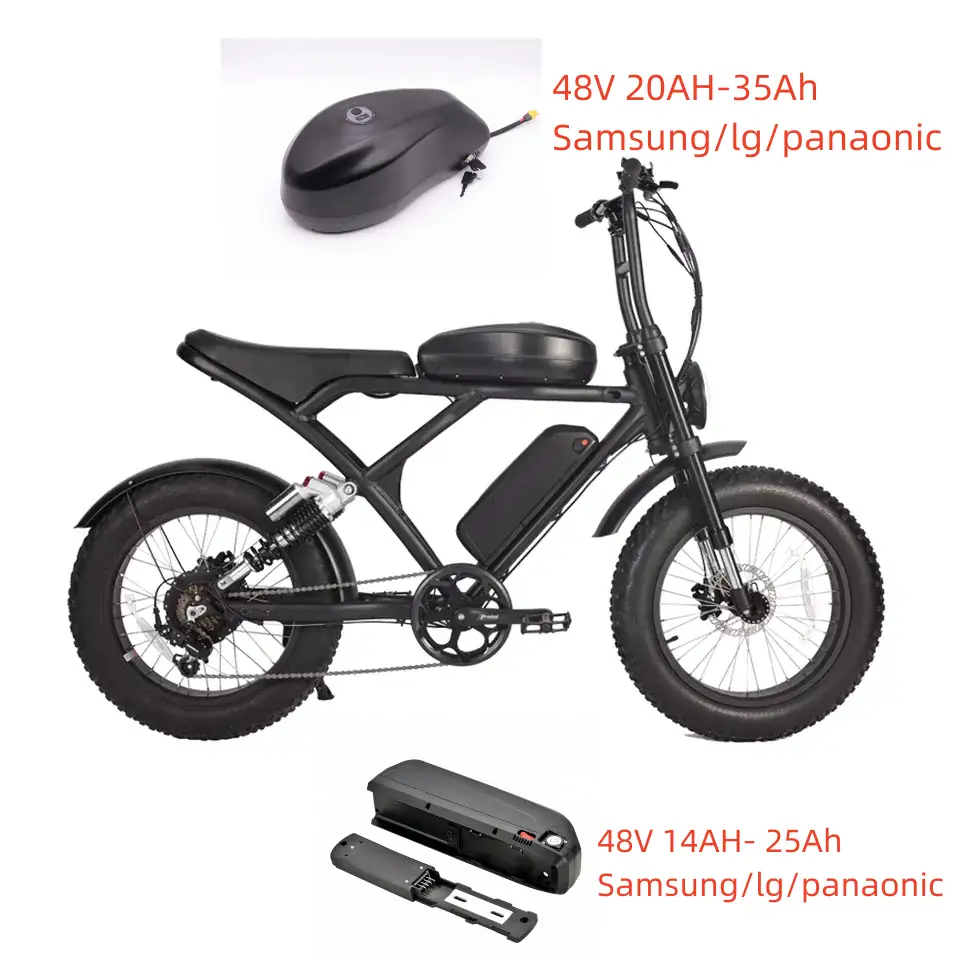
At Giantpower, as a specialist in lithium-ion battery packs for light electric vehicles (LEVs) like e-bikes, e-motorcycles, e-scooters, e-mopeds, e-golf carts and low speed 4-wheel cars, we keep a close watch on emerging energy storage technologies. The sodium-ion (Na-ion) battery market is currently experiencing a significant surge in attention, largely fueled by recent volatility in lithium carbonate prices. Industry analysis, such as a recent report from SMM, points to 2026 as a potential inflection point for its commercial viability. While the excitement is warranted, a closer look reveals a landscape filled with both promise and substantial hurdles that will shape its adoption timeline.
The Catalyst: Cost Volatility Drives Search for Alternatives
The primary driver behind the renewed interest in sodium-ion technology is supply chain security and cost stability. Lithium prices have historically been volatile, directly impacting battery production costs. Sodium, being one of the earth’s most abundant elements, presents a compelling strategic alternative. This potential for cost reduction and diversification has triggered increased market activity, with even major lithium battery manufacturers now actively exploring upstream partnerships in the Na-ion supply chain.
Beyond the Hype: Three Core Industry Challenges
Despite the growing demand signal, the sodium-ion battery industry remains in its early industrial stages. Widespread adoption is contingent on overcoming several key bottlenecks:
- Cathode Materials: A Clear Path with Growing Pains
The cathode landscape has consolidated around a few main contenders, with Prussian white, layered oxides, and polyanion types (like NFPP) leading. Among these, NFPP is gaining traction for its balanced performance. However, large-scale, readily available capacity is still limited, and current production costs remain higher than the industry’s long-term targets. Furthermore, rising prices for key raw materials like iron phosphate are putting additional pressure on NFPP’s cost-reduction roadmap. - Anode Materials: The “Hard Carbon” Bottleneck
Hard carbon is the established anode material, but its production poses a more severe constraint than cathodes. High-quality, consistent, and scalable hard carbon capacity is scarce. The industry is also grappling with unifying the technical pathway—options range from coconut shell-based (facing sustainability questions) to coal or biomass-based routes, each with trade-offs in performance and process maturity. - Cell Manufacturing: The Scale Dilemma
Current Na-ion cell production capacity in China is estimated to be below 10 GWh, which is minuscule compared to the lithium-ion industry’s scale of hundreds of GWh. Due to limited order volumes and profitability, some dedicated Na-ion cell producers are relying on lithium-ion production to sustain operations. Crucially, on price—a key metric—Na-ion cells, especially for applications like energy storage systems (ESS), are not yet cheaper than lithium iron phosphate (LFP) batteries, undermining their core value proposition for mainstream markets.
Implications for the Light EV Market: A Nuanced Opportunity
For our core markets—LEVs—the Na-ion story is particularly nuanced.
- The Strategic Fit: These applications prioritize safety, cost, and reliable performance across temperatures. Na-ion batteries offer inherent advantages in better low-temperature performance and superior safety characteristics due to their chemistry. They could become an excellent solution for cost-sensitive segments or vehicles operating in colder climates.
- The Current Reality: Today’s Na-ion batteries generally offer lower energy density and cycle life compared to mature LFP batteries. For applications demanding longer range or extended pack longevity, lithium-ion remains the proven, high-performance choice.
- Our Perspective at Giantpower: We view this not as an immediate disruption but as a future diversification of the portfolio. The decision between Li-ion and Na-ion will increasingly become application-specific.
Strategic Outlook: Complement, Don’t Replace
A critical insight from the industry analysis is that sodium-ion is positioned as a complement to, not a replacement for, lithium-ion technology. This shapes a pragmatic strategy for battery suppliers like us.
- Scenario-Based Solutions: The future will likely see a “horses for courses” approach: lithium-ion for applications needing top energy density and lifecycle, sodium-ion for those where ultimate cost, safety, and low-temperature operation are paramount. We are preparing to guide our customers based on their specific product use cases.
- Preparation is Key: While mass adoption in LEVs may be a few years away, the competitive landscape is forming now. We are actively monitoring material breakthroughs and engaging in technical dialogues to understand the roadmap. Our focus remains on delivering exceptional value with our lithium-ion solutions today while building the expertise to integrate Na-ion technology when the performance-cost equation becomes compelling for specific customer needs.
Conclusion
2026 is poised to be a decisive year for sodium-ion batteries, transitioning from pilot lines to true market validation. For us in the light EV sector, it represents the crystallization of a potential new pathway. Our commitment is to leverage our deep application knowledge to help our customers navigate this evolving landscape. We will continue to innovate within lithium-ion technology while thoughtfully evaluating Na-ion as a future complementary option, ensuring we always provide the most effective battery solution for every vehicle on the road.
Would you like to explore how these battery technology trends might specifically impact your next product development roadmap? Giantpower’s technical team is ready to partner with you for a tailored analysis.


中.jpeg)
